
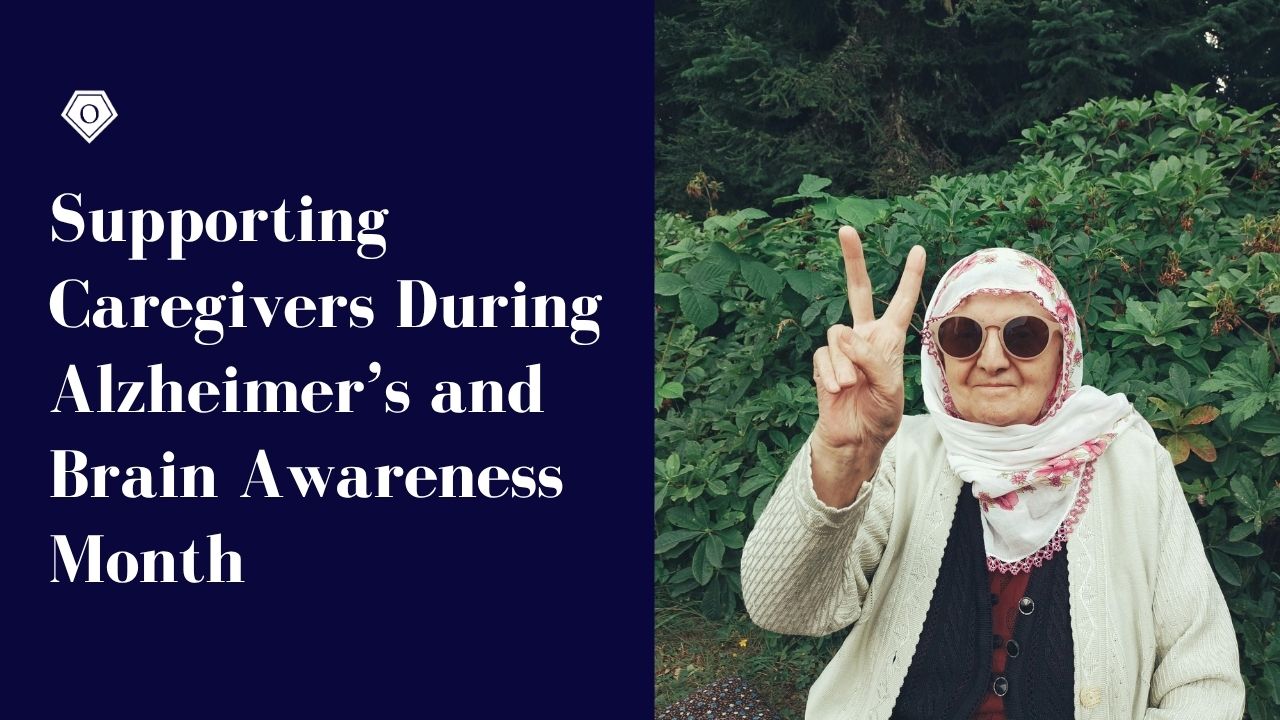
Alzheimer’s and Brain Awareness Month shines a light not only on those living with dementia, but also on the caregivers supporting them every day.
Behind many aging adults facing memory loss is a family member quietly carrying enormous emotional, physical, and mental responsibility.
Adult children are balancing careers, parenting, and caregiving.
Spouses are navigating exhaustion, grief, and uncertainty.
Long-distance family members are trying to coordinate care from another city or state.
And many caregivers are doing it all while trying to hold everything else together.
Caregiving Often Becomes More Than Families Expect
For many families, caregiving responsibilities build gradually over time.
At first, it may look like:
- Helping with appointments
- Checking medications
- Managing finances
- Grocery shopping
- Providing transportation
But as memory changes progress, caregiving often becomes more emotionally demanding.
Families may begin managing:
- Repeated questions
- Safety concerns
- Wandering risks
- Mood or personality changes
- Sleep disruptions
- Increased confusion
- Daily supervision needs
Many caregivers spend so much time caring for someone else that they forget their own well-being matters too.
Caregiver Burnout Is More Common Than Many Realize
Caregiving can be deeply meaningful, but it can also become overwhelming without enough support.
Common signs of caregiver burnout may include:
- Emotional exhaustion
- Anxiety or constant stress
- Sleep disruption
- Irritability
- Feeling isolated
- Difficulty balancing work and caregiving
- Physical fatigue
- Feelings of guilt or helplessness
Many caregivers feel pressure to “handle it all” on their own.
But support is not failure. It is an important part of sustainable caregiving.
Structure and Support Can Help Families Breathe Again
One of the biggest misconceptions about home care is that families only seek help when they can no longer manage anything themselves.
In reality, many families benefit from support much earlier.
RN-supervised home care can help create:
- More consistent routines
- Better communication
- Medication oversight
- Cognitive engagement
- Safer environments
- Reduced caregiver stress
- Greater peace of mind
Even a few hours of support each week can help caregivers step out of constant crisis mode and focus more on meaningful time with their loved one.
Caregivers Need Care Too
Alzheimer’s and Brain Awareness Month is an important reminder that caregivers deserve support, compassion, and rest as well.
Families are not meant to navigate dementia and cognitive decline alone.
Having a trusted support system can help caregivers protect their own health while ensuring their loved one receives compassionate, consistent care.
At Onyx Home Care, we understand the emotional weight caregiving can carry. Our RN-supervised home care services are designed to support both seniors and the families who love them with personalized care, guidance, and peace of mind.
Are you feeling overwhelmed while caring for a loved one with Alzheimer’s or another type of dementia?
Take this quiz to find out if you need caregiver relief.