
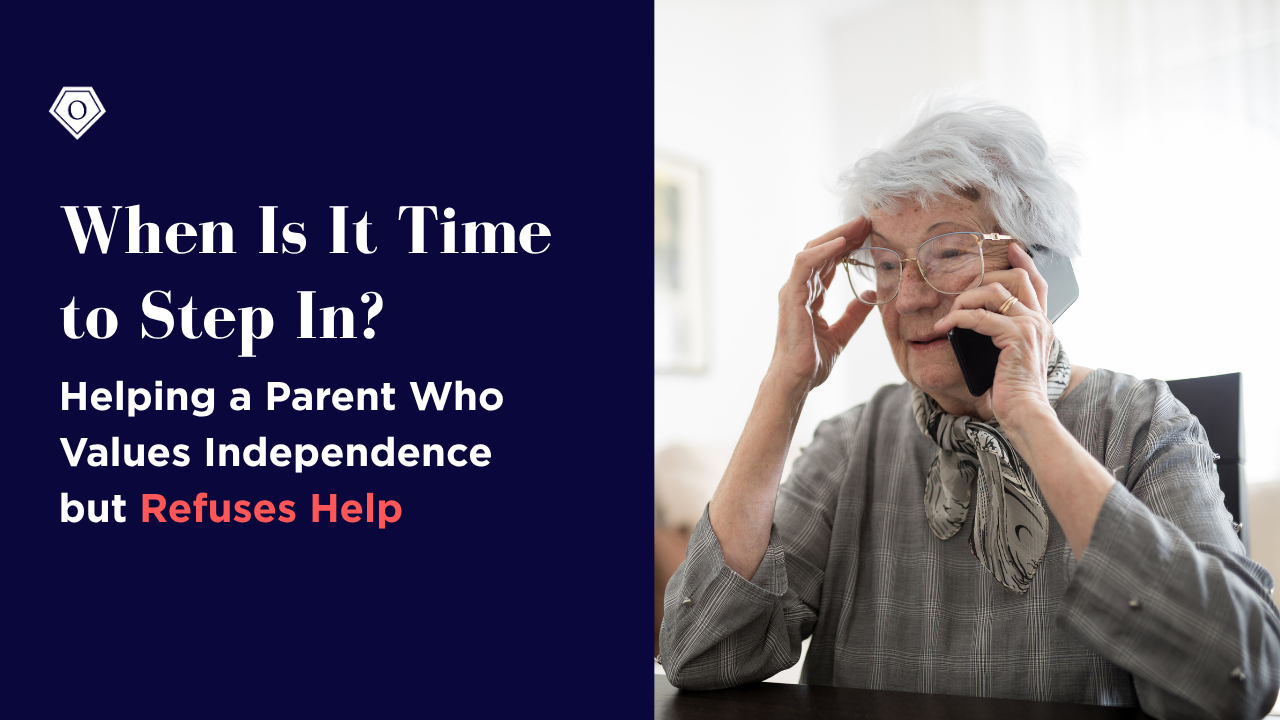
There is a certain kind of parent who makes this especially hard.
They are private. Independent. Strong-willed.
They have always handled things on their own, and they expect to keep it that way.
So when something starts to change, they do not talk about it.
They minimize it.
Or they shut the conversation down entirely.
And families are left in a painful place…
Watching. Waiting. Wondering if they are overreacting.
The Reality Families Don’t Talk About
In many cases, families do not step in because they are trying to respect independence.
But what often happens instead is this:
- A fall that no one knew about
- Missed medications that slowly turn into a crisis
- Confusion that goes unnoticed until it becomes dangerous
- Or silence… until something serious has already happened
We hear it more often than people realize:
“I didn’t know it had gotten this bad.”
This is not about guilt.
It is about understanding the pattern.
Highly independent parents are often the least likely to ask for help… even when they need it most.
Subtle Signs It’s Time to Intervene
It is not always one dramatic moment.
More often, it is a collection of small changes that are easy to explain away at first.
Pay attention if you are noticing:
- Repeating stories or increased confusion
- Changes in hygiene or appearance
- A noticeable smell of urine or unclean clothing
- Expired food, spoiled groceries, or an empty fridge
- Missed appointments or unpaid bills
- Increased irritability, defensiveness, or withdrawal
- Avoiding having you over to the house
- Insisting on meeting you elsewhere instead of letting you see their living environment
- Skipping family gatherings or becoming more isolated
- Small falls or “close calls” they brush off
Individually, these may not seem urgent.
Together, they often tell a very different story.
If your gut is telling you something has changed, it is worth paying attention.
Why Waiting for a “Clear Sign” Can Be Risky
Many families feel like they need a definitive moment before stepping in.
A diagnosis. A major fall. A hospital visit.
But by the time that moment comes, the situation is often more advanced, more stressful, and more limited in options.
Early support does not take independence away.
It protects it.
Reframing the Conversation
For parents who resist help, how you introduce support matters.
Instead of:
“You need help.”
Try:
- “Let’s just have someone come by a few hours a week.”
- “This would help me feel better knowing you’re supported.”
- “Think of it as having backup, not giving anything up.”
The goal is not to take over.
It is to create a layer of safety.
You Do Not Have to Wait for Something to Go Wrong
The hardest truth is this:
Many families only act after a crisis.
But you do not have to wait for a fall, an emergency, or a moment that cannot be undone.
Having support in place early can prevent those moments entirely.
When It’s Time to Get Help
If you are constantly worried
If communication has become difficult
If your parent is minimizing real concerns
It may already be time to step in.
At Onyx Home Care, our care is RN-supervised and designed to support independence while adding safety and peace of mind.
We work with families who are navigating exactly this situation every day.
You do not have to force a big change overnight.
You can start small, with the right support in place.
Remember…
Respecting your parent’s independence matters.
So does protecting their safety.
Those two things can exist together.
The goal is not to take control.
It is to make sure they are not facing these changes alone.
Are you feeling overwhelmed while caring for a loved one with Alzheimer’s or another type of dementia?
Take this quiz to find out if you need caregiver relief.