Looking for caregiver support? Search for articles here:
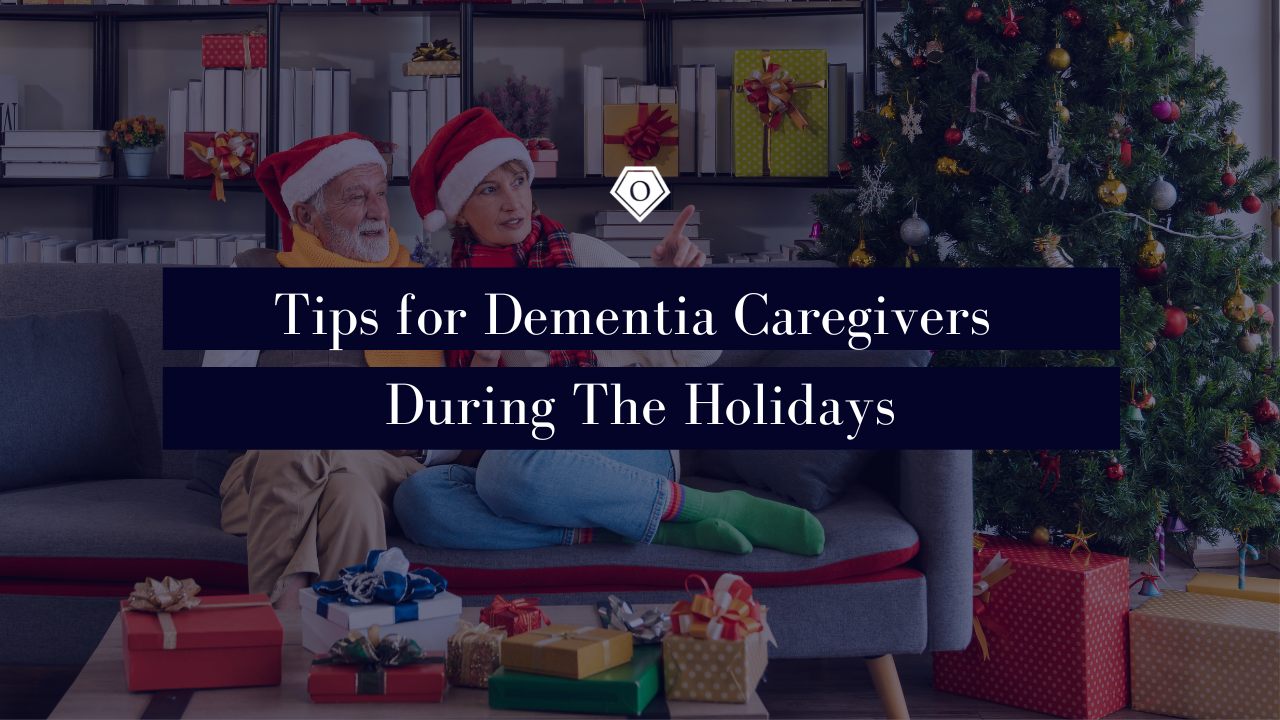
Tips for Dementia Caregivers During The Holidays
The holiday season, marked by joyous festivities and cherished traditions, can be an intricate tapestry of challenges for family caregivers of individuals living with dementia. As households come alive with the spirit of celebration, those tending to loved ones facing cognitive decline find themselves navigating a delicate balance between preserving longstanding customs and adapting to the evolving needs of their family member.
How To Support Family Caregivers
Being a family caregiver is an immensely challenging and emotionally taxing role. It requires selflessness, patience, and an unwavering commitment to the well-being of a loved one. Family caregivers often face a daily juggling act, balancing their own needs, responsibilities, and personal lives with the demands of providing care. Caring for a family member with a chronic illness, such as Alzheimer's disease, can be particularly difficult, as it involves watching a loved one's gradual decline and witnessing the loss of cherished memories and abilities. The physical and emotional toll of caregiving can lead to stress, exhaustion, and feelings of isolation. It's a role that rarely allows for a break, and the constant need for vigilance and care can weigh heavily on the caregiver's well-being. Nonetheless, the love and dedication that family caregivers demonstrate in their role are truly admirable, and they deserve our utmost respect, support, and recognition for the invaluable work they do.
What You Can Do During Alzheimer’s Disease Awareness Month
National Alzheimer's Month, observed throughout November, is a critical period dedicated to raising awareness and understanding of Alzheimer's disease and related dementias. Alzheimer's disease is a debilitating neurodegenerative condition that predominantly affects the elderly population, characterized by a progressive and irreversible deterioration of cognitive abilities, memory, and behavior. This devastating disease is marked by memory loss, difficulties with problem-solving and decision-making, and personality changes. Alzheimer's is caused by abnormal protein accumulations in the brain, which lead to the death of brain cells and the subsequent breakdown of cognitive function.

Dementia and Cholesterol: Protecting Your Loved One’s Heart Health
Caring for a loved one with dementia can be a profound and emotional journey as their cognitive abilities gradually decline. In this complex role of caregiving, it's crucial to address not only the immediate challenges of memory loss and confusion but also to look after their long-term health. One critical aspect of dementia care is helping your loved one manage their cholesterol levels. Elevated cholesterol can significantly increase the risk of cardiovascular disease, which poses an additional threat to their well-being. In this endeavor, caregivers play a pivotal role in ensuring that the individual receives the necessary support, guidance, and attention to maintain a heart-healthy lifestyle, making every effort to safeguard their overall health and quality of life.

How To Include The Elderly In Halloween Activities
Halloween is a festive and exhilarating time of the [...]
How Dementia Caregivers can Manage Relationships and Family Dynamics
As a dementia caregiver, one of your role’s most complex and emotionally demanding aspects is managing the intricate web of relationships and family dynamics surrounding your loved one. Dementia’s progression can create significant family challenges, ranging from disagreements about care decisions to the emotional toll it takes on everyone involved. Navigating this terrain requires patience, empathy, and effective communication. In this journey, caregivers often find themselves not only tending to the needs of their loved one but also acting as mediators, educators, and emotional anchors within the family unit. This guide offers insights and strategies to help you foster understanding, harmony, and support among family members while providing the best care possible for your loved one with dementia.

Questions To Ask About Prescriptions When You Become A Caregiver
Becoming a caregiver for a parent is a significant and often complex responsibility that encompasses various aspects of their well-being. Among the many critical facets of caregiving, the management of prescription medications stands out as paramount. The importance of asking questions about prescriptions cannot be overstated, as it directly impacts the health, safety, and overall quality of life of your loved one.
Books You Should Read Before Becoming A Caregiver
Embarking on becoming a caregiver is a profound and compassionate journey that demands practical knowledge and emotional resilience. As you step into providing care for a loved one, the challenges and responsibilities can be overwhelming. However, immersing yourself in the wisdom and insights found within carefully chosen books opens the door to a wealth of guidance, advice, and firsthand experiences from experts and fellow caregivers alike. These books offer more than just knowledge; they offer a roadmap to navigate the complex landscape of caregiving, helping you cultivate the skills, empathy, and understanding necessary to provide the best possible care while ensuring your well-being.
How Dementia Caregivers can Handle Sleep Disturbances
Caring for individuals with dementia presents caregivers with a myriad of challenges, and one of the most perplexing and exhausting hurdles they often face is managing sleep disturbances. The disruptive sleep patterns commonly experienced by dementia patients not only impact their own well-being but also place significant strain on the caregivers who strive to provide attentive and compassionate support.
Questions To Ask Your Parent When Becoming Their Caregiver
Embarking on the journey of becoming a caregiver for a parent is a profound and complex experience that often presents both challenges and opportunities for personal growth. This role reversal, where the child assumes responsibility for caring for the person who once cared for them, introduces a unique set of emotional, practical, and ethical considerations. As the dynamics of the parent-child relationship evolve in the face of changing health needs and circumstances, navigating the path of caregiving requires compassion, resilience, and a willingness to confront many questions and uncertainties.
How To Manage Dementia Caregiver Grief
Dementia caregiver grief is an intricate tapestry of emotions, woven from the tender threads of love and the agonizing fabric of loss. As devoted caregivers navigate the arduous journey of caring for a loved one with dementia, they find themselves grappling with a profound sense of grief that accompanies the relentless decline of cherished memories and fading connections.
Navigating the Challenges of Role Reversal in Dementia Caregiving
When a loved one is diagnosed with dementia, one of the most profound and challenging aspects of caregiving is the role reversal that takes place. The caregiver, who once relied on their loved one for guidance and support, now finds themselves responsible for making decisions and providing care. This transition can be emotionally taxing and fraught with complexities.
How to Prepare for Home Health Care Services: A Guide for Families
Home healthcare services can provide invaluable support when caring for a loved one who needs assistance with daily activities or has specific healthcare needs. Transitioning to home health care requires careful preparation to ensure a smooth and comfortable experience for both the patient and their family. In this guide, we will walk you through essential steps to help you prepare for home health care services, enabling you to make the most of this vital form of care.
Managing Medications for Seniors: A Guide for Caregivers
Taking care of a senior loved one involves various responsibilities, one of the most critical being medication management. Proper medication management is crucial for maintaining the health and well-being of seniors. As a caregiver, it’s essential to understand the importance of medication adherence, potential risks, and strategies to ensure safe and effective medication administration. In this guide, we’ll provide valuable tips and insights to help you navigate the complexities of managing medications for seniors.
Assistive Devices For Seniors
As we age, it's essential to maintain independence and enhance the quality of life, and assistive devices play a crucial role in achieving these goals. Whether you're a family caregiver seeking ways to support your aging loved ones or a senior searching for tools to enhance daily living, this comprehensive guide will explore a range of assistive devices designed to promote safety, mobility, and overall well-being.
How To Address the Emotional Needs of Homebound Patients
Being homebound due to illness, injury, or advanced age can affect a person's emotional well-being. The physical limitations and reduced social interaction that come with being confined to one's home can lead to loneliness, isolation, and depression. It is essential to recognize and address the emotional needs of homebound patients, as their mental health plays a crucial role in their overall well-being and quality of life. Explore the importance of mental health care for homebound patients and practical strategies to support their emotional well-being, ensuring they receive the holistic care they deserve.

Lifestyle Changes That Benefit People Living with Dementia
Lifestyle changes have the potential to exert a positive influence on individuals living with dementia, offering a range of benefits that contribute to their overall well-being. While these changes may not reverse the progression of dementia, they can help manage symptoms, improve quality of life, and potentially slow down cognitive decline. By embracing healthy habits and engaging in activities that promote physical, mental, and social well-being, individuals with dementia can experience enhanced cognitive function, increased social connection, improved mood, and a greater sense of purpose. The power of lifestyle changes lies in their ability to optimize the environment, support brain health, and foster a holistic approach to care, enabling individuals living with dementia to lead fulfilling lives to the best of their abilities.

How To Manage Wandering Behavior In Someone with Dementia?
Wandering is a common and concerning behavior observed in individuals living with dementia. Wandering can take various forms, such as aimless pacing, walking around the house or neighborhood, or even attempting to leave familiar surroundings. While wandering can be distressing for the person with dementia and their caregivers, it is essential to understand that it is often a symptom of the underlying cognitive and behavioral changes associated with the disease.
Memory and Cognitive Therapy Exercises for Dementia Patients
Memory and cognitive therapy can significantly benefit dementia patients by helping to maintain and enhance their cognitive function and quality of life. These therapies aim to stimulate and exercise the brain, promoting the preservation of memory, attention, problem-solving skills, and overall cognitive abilities.

How To Prevent Elderly UTIs
Urinary tract infections (UTIs) can present differently in the elderly than in younger adults. It is important to remember that some elderly individuals with UTIs may not exhibit typical symptoms, such as pain or burning during urination, making diagnosis more difficult. Therefore, if you suspect a UTI in an elderly person, it is important to seek medical attention promptly to prevent complications.

What To Know When Caregiving For A Spouse
Has your loved one received a diagnosis that will impact their ability to care for themselves over time? Caregiving for a spouse can take many forms, depending on the needs of the individual and the nature of their medical condition. You probably have many questions, and we know those questions will grow every time your loved one's needs progress.

How To Choose The Right Type of Caregiving
Are you thinking of becoming a caregiver or have a spouse that was recently diagnosed with dementia or Alzheimer's? It's essential to understand the different types of caregiving so you can make the "next best decision" as your loved one's illness progresses. There are different types of caregiving, and they vary based on the type of care provided and the person receiving care.
Where To Start with Dementia Caregiving
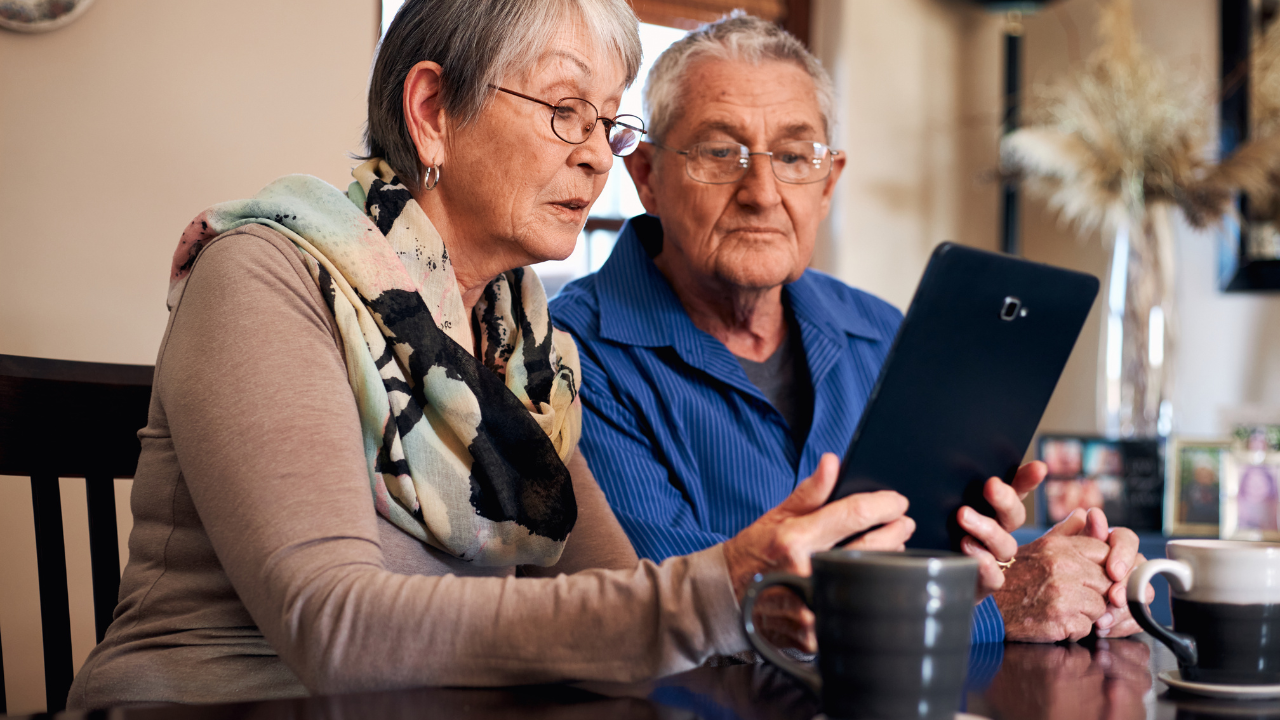
Was your loved one recently diagnosed with a form of dementia? People with dementia are typically diagnosed in stage four. People in stage four have clear, visible signs of cognitive impairment and exhibit personality changes. I'm sure you notice symptoms well before a diagnosis. While doctor intervention can increase resources, validation, and support, the new journey can overwhelm many family caregivers. Dementia caregiving can be challenging and emotionally demanding, and all your feelings and concerns are valid.

Going to the Hospital: Tips for Dementia Caregivers
A trip to the hospital can be stressful for people with Alzheimer’s disease or another dementia and their caregivers. Being prepared for emergency and planned hospital visits can relieve some of that stress. This article suggests ways to help you prepare and tips for making your visit to the emergency room or hospital easier.

Why Family Caregivers Should Trust Their Instincts
Family caregivers know their loved one best. When you believe something is wrong, trust your instincts! If you suspect a loved one with dementia or Alzheimer's is ill or acting unusual, contact their doctor and communicate with home health care nurses.